The Green Threshold
march, 2026By Chef Fernando Stovell
March is not spring — not yet.
It is something far more delicate.
A threshold.
A promise.
The fire of February has not gone out; it has softened. The embers remain, but now they warm rather than shield. The kitchen begins to change its rhythm. We cook with the same ingredients, yet they no longer taste the same — lighter, brighter, more expectant, as if they too sense what is coming.
1. Seasonal Messengers
Across ancient cultures, March was revered as a moment of balance. The Spring Equinox marked equality between light and darkness: a brief stillness before growth accelerated. For those who cooked close to the land, this moment was never abstract. It was practical, visceral, and deeply emotional. Stores were thinning, patience was required — but the first signs of life appeared quietly. Wild herbs. Tender leaves. The earliest bitterness that awakens the palate and reminds you that winter is loosening its grip.
Grain remains central — barley, oats, rye — but now it is paired with freshness. Honey still sweetens, though more sparingly. Roots are joined by shoots. Preserved foods begin a conversation with living ones. It is a dialogue rather than a replacement — winter does not vanish overnight; it slowly gives way.
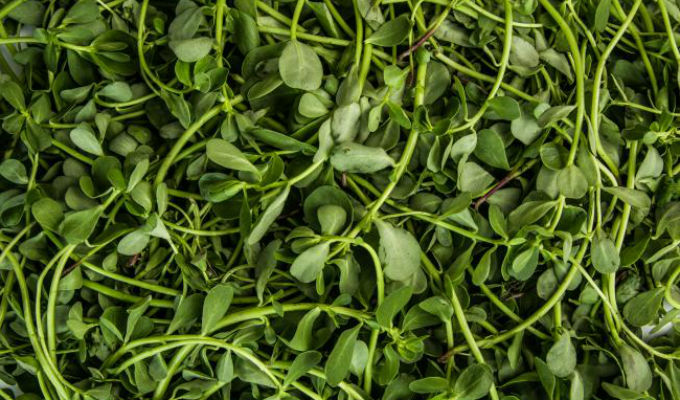
In Mexico, March reveals itself with remarkable subtlety. The land does not announce change loudly; it hints at it. The earth exhales. Green returns cautiously, almost shyly. This is the moment of the quelites — a collective name for dozens of edible wild greens that appear briefly and disappear just as quickly.
They are not cultivated in rows, nor selected for uniformity. They arrive on their own terms: verdolagas with their gentle acidity, quintoniles with their mineral depth, papalo with its assertive perfume, cenizo, huauzontle leaves, and countless others whose names vary by region and memory. Each carries a sense of place. Each tastes of the soil that produced it.
For centuries, Mexican kitchens have understood this instinctively. Quelites are not garnish. They are seasonal messengers. Folded gently into masa, wilted briefly over embers, stirred into broths at the very last moment — always cooked with restraint, because to dominate them is to lose them. They belong to a cuisine that values timing as much as technique.
March cooking here is not about abundance, but attentiveness. About recognising what arrives for only a moment and allowing it to remain itself. Fire steps back. Steam, warmth and a lighter hand take precedence. The cook learns to hover rather than impose.
2. The Same Quiet Excitement
This reverence for fleeting greens is not unique to Mexico. I remember feeling the same quiet excitement in Europe, year after year. In England, March meant the first wild garlic pushing through damp woodland floors, its scent unmistakable. Nettles young enough to sting, but still tender. The return of sorrel, sharp and bright, slicing through richness like light through cloud.
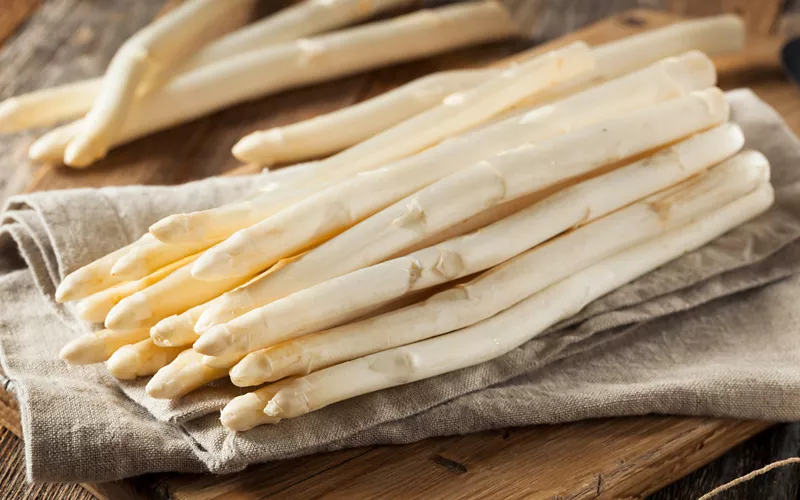
In France, it was pissenlit, young dandelion leaves gathered before bitterness deepened. In northern Italy, the arrival of radicchio tardivo, chicories and early asparagus marked the beginning of a new culinary language. In Spain, tender broad beans, fresh peas, and the first artichokes appeared — ingredients that demanded simplicity and respect.
Those moments always filled me with genuine excitement. Not the excitement of novelty, but of recognition. Of knowing that the land was speaking again, and that as cooks, our role was to listen. To step aside. To let the season lead.

3. The Month to Observe
Even celebrations often misunderstood as indulgent belong to this moment. St Patrick's Day, so often reduced to excess, is rooted in this same symbolism. Green is not decoration; it is land, regeneration, continuity. Traditional dishes were modest and sustaining — stews, breads, grains — food that honoured both scarcity and hope.
March cooking is about anticipation. About recognising the first edible leaf and knowing instinctively not to do too much with it. About understanding that flavour, like life, returns gradually. This is not the month to rush. It is the month to observe.
For a chef, March is a lesson in humility. Ingredients ask you to listen. To intervene less. To trust bitterness, freshness and texture to guide the plate. Fire is still present, but used gently — a warm hand rather than a command.

4. March at Home
Over time, March has taken on a quieter significance in my own life.
MARCH is a month of birthdays in our home. My wife Maricarmen celebrates hers during this transitional season — at that precise moment when the days begin to stretch and the air shifts almost imperceptibly. There is something fitting about that timing. She moves through life with steadiness and clarity, and March carries a similar composure — not dramatic, but assured in its direction.
It is also my stepson's Javi's birthday — another reminder that growth rarely announces itself loudly. It happens gradually, through small shifts, new questions, emerging independence. March mirrors that process: subtle change, steady progress.
Happy birthday my darling and dear Javi!
Stovell's, Mexico City.
Opening soon.
Watch this space.
March reminds us that renewal does not arrive with noise.
It begins quietly, almost shyly.
In a leaf.
In a grain.
In a dish that bridges what was and what will be.

And in that space — between memory and promise, between Europe and Mexico, between embers and green shoots — something new is taking shape.